Emmanuel Todd Prophesies the Defeat of the West
French demographer Emmanuel Todd’s new book argues that secularization has left Western societies weak and divided. But his account of the US and Europe’s secular nihilism is deeply reductive, leaving no space for forward-looking political change.
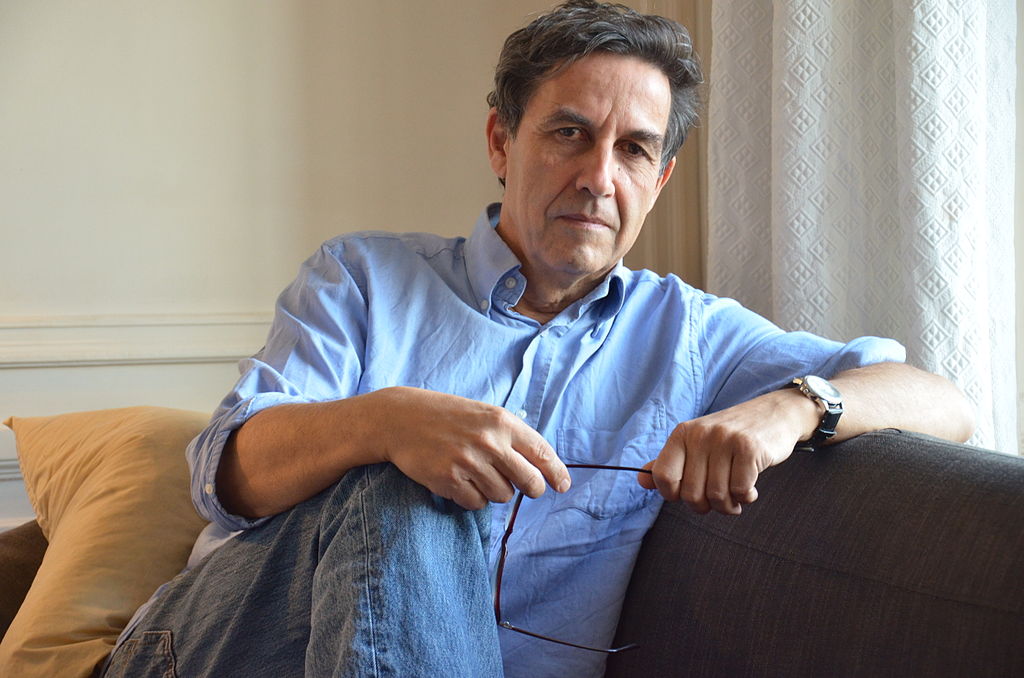
French anthropologist, historian, and demographer Emmanuel Todd in 2014. (Wikimedia Commons)
The Western admirers of Vladimir Putin’s Russia are a strangely assorted bunch, with each finding quite different things to like about it. Tucker Carlson raves about the living standards. He returned from a recent journey to Moscow enthusing over the spotless Metro system and the cheap supermarkets. The Putin-understanders of the German far right see in him a fellow champion of ethnonationalism. The French demographer, sociologist, and all-around provocateur Emmanuel Todd is cooler and higher minded in his praise: he is drawn to Putin’s mastery of geopolitics.
Todd’s latest book argues that Western powers are locked in a doomed effort to prop up Ukraine in its war with Russia. While it has sold well in France, it has also earned some scornful reviews. Le Monde dismissed him as a false prophet and a copyist of “the Kremlin’s propaganda.” La Défaite de L’Occident (The Defeat of the West) is undoubtedly soft on Putin. Yet it abounds in imaginative and occasionally shrewd explanations for the fears and jealousies which rack Western states. Its appearance is an opportunity to take the measure of a thinker at once systematic and mercurial, a cynic but also a moralist whose one consistent aversion is to self-satisfaction.
Family Fortunes
Todd’s dual identity as a demographer and firebrand is unusual. In a brilliant recent study, the historian Jacob Collins makes sense of it by placing him in what he calls an “anthropological turn” in French intellectual life, which began in the 1970s. The events of 1968 had shaken a narrow and repressive establishment but had not brought about a socialist nirvana. The Communist Party’s vote in national and presidential elections slumped and union membership tailed off. The oil shock of 1973 dampened economic growth and cast doubt on the Left’s assumption that the aim of politics was to share out an expanding affluence. These reverses encouraged some youngish intellectuals — who were not themselves anthropologists but read a lot of their work — to reground their understanding of politics and citizenship in the systematic study of human nature. Although Todd is the grandson of Paul Nizan, a celebrated Communist writer, and a youthful member of the French Communist Party, he soon shed a Marxist understanding of politics as the epiphenomena of class struggle and sought alternative models in the anthropological study of history. Perhaps it helped that he is also related to Claude Lévi-Strauss.